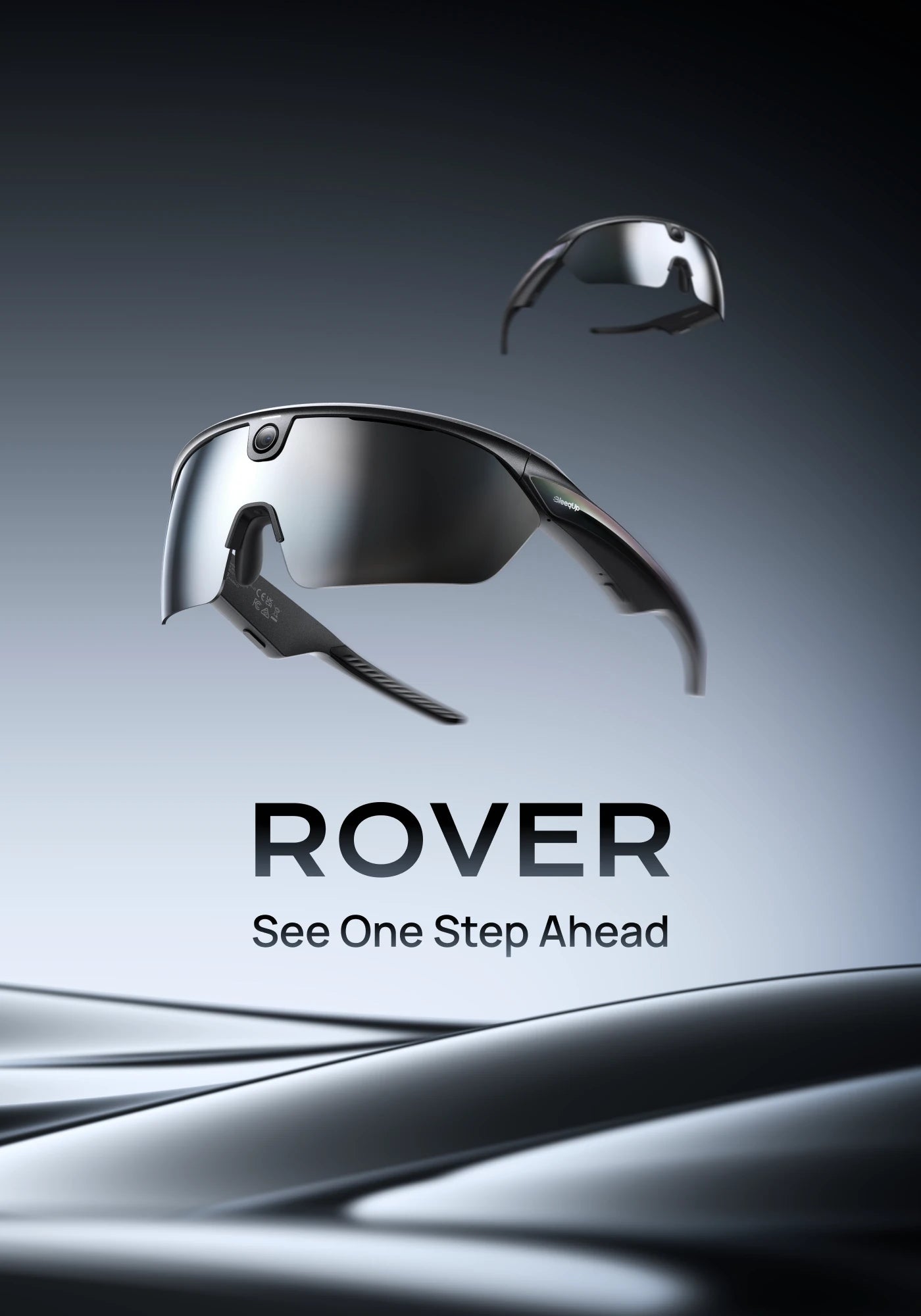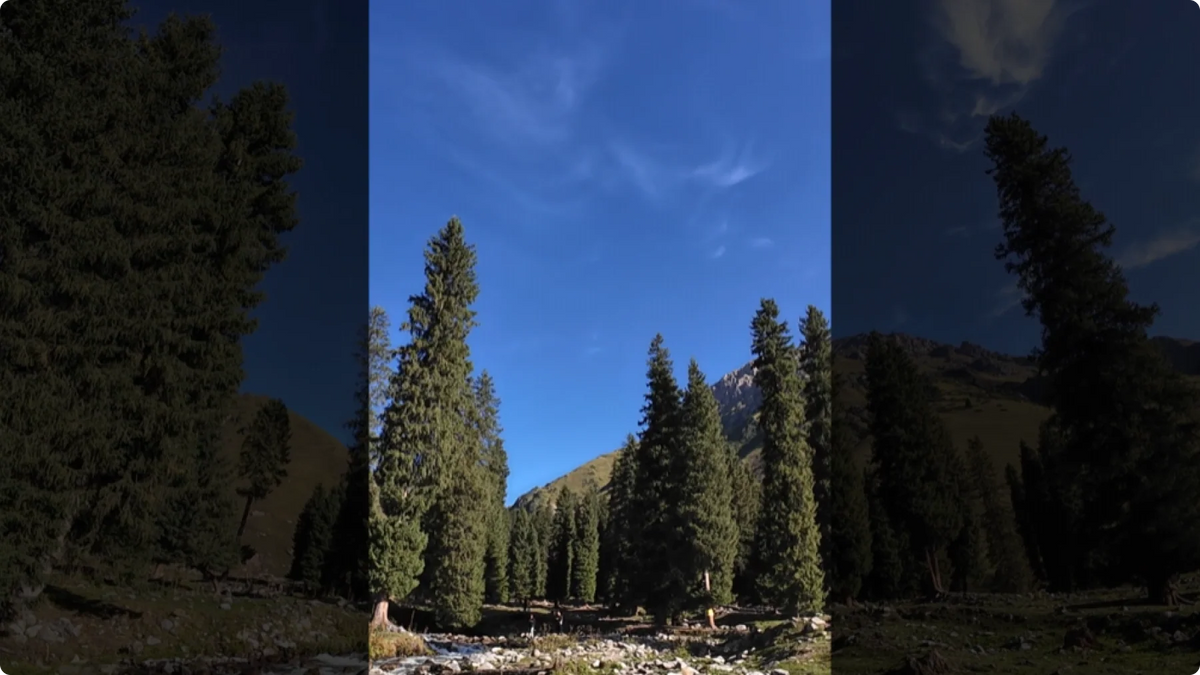
A ride does not always belong in one frame. Rover supports 16:9 landscape and 9:16 portrait video, so cyclists can choose a format that matches the route story, the screen, and the people who will watch it.
A scenic group ride, a road descent, and a short phone-first clip do not need the same composition. That is why format belongs in the conversation about camera glasses, not only in the editing app. Rover supports both 16:9 landscape video and 9:16 portrait video for sports capture.
For riders comparing cycling camera glasses, the practical benefit is flexibility. You can plan a wide route recap when the road and group matter, then choose a vertical format when the same ride is being prepared for a phone feed or short-form post.
Landscape and portrait solve different sharing problems
| Format | Useful for | What stays visible |
|---|---|---|
| 16:9 landscape | Route recaps, group rides, scenery, and longer viewing. | More road width, surrounding context, and riders moving through a scene. |
| 9:16 portrait | Phone-first clips, short-form posts, and a single subject in motion. | A taller frame that fits vertical feeds without asking viewers to rotate their phone. |

Why format choice matters for cycling camera glasses
Wearable capture is most useful when it reduces friction before and after the ride. A rider should not have to crop every clip later just to make the footage fit the place where it will be shared. Choosing the intended format early can preserve more of the composition and make the final edit simpler.
Rover's format support also works with the rest of the capture system. The 120-degree POV view keeps more of the road and surroundings in frame, while 3K 60FPS HDR recording supports detail and motion in changing outdoor light. These functions solve different problems: format controls the shape of the story, while field of view and capture quality affect what the story contains.

Choose the format around the moment, not a fixed habit
Landscape is often the natural choice for a long climb, a group line, or a road that opens into a wide view. Portrait can be better when the goal is a compact phone-first clip, a single rider's movement, or a vertical social post. Neither format is universally better. The useful choice is the one that keeps the important part of the ride visible.
That makes Rover more than a recording device. It gives riders a way to capture first-person footage that can move into a route recap, a training review, or a short clip without forcing every story into one aspect ratio.
FAQ
What video formats does Rover support?
Rover supports 16:9 landscape video and 9:16 portrait video, giving riders two common formats for route recaps, social clips, and ride reviews.
Why would a cyclist choose portrait video?
Portrait video fits phone-first feeds and short-form posts, while landscape video gives more room for route context, group riding, and wide scenery.
Is Rover only for cycling videos?
No. The same format choice can help runners and other outdoor athletes create footage that suits the platform or audience they plan to use.